CJ Appelton, PhD
For decades, researchers have sought to answer a fundamental question: Why do some people stop engaging in crime while others continue?
CJ Appleton set out to examine how race and culture shape the stories people tell about themselves as they move away from crime. Then, his research led him to an even deeper discovery: childhood trauma, and how those experiences shape the beginning of criminal involvement and the process of desistance.
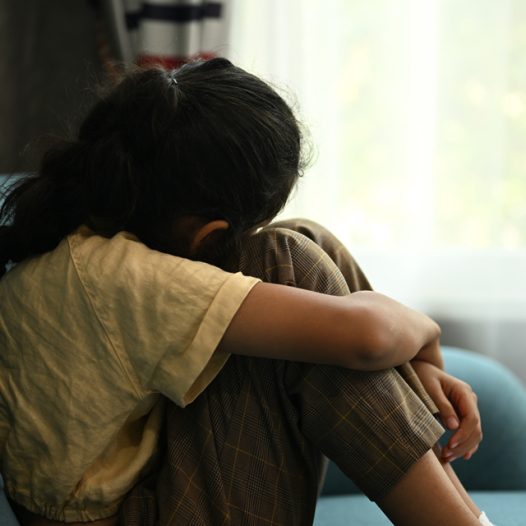
In this episode, Appleton explains how childhood adversity experienced across homes, neighborhoods, schools and other institutions influences identity and behavior over the life course. He argues for a person-centered approach to working with people in the criminal legal system, describing desistance as a healing process rather than simply the cessation of crime. Appleton advocates for a more comprehensive understanding of childhood trauma and suggests that we all could benefit from more healing.

CJ Appleton, PhD, is an assistant professor in the Sanford School of Public Policy at Duke University and a mixed-methods criminologist whose research focuses on desistance, behavior change and the institutional contexts that shape justice outcomes. His person-centered work uses life-story and narrative methods to study criminal careers across the life course, with particular attention to how childhood adversity influences identity, behavior and pathways out of crime.
Show Notes
Cite this podcast – Lee, J, & Sage, T. (Hosts). (2026, August 18). Why Childhood Trauma Matters for Justice-Involved Individuals. (No. 351) [Audio podcast episode]. In inSocialWork. University at Buffalo School of Social Work.