Stephen Pimpare, PhD
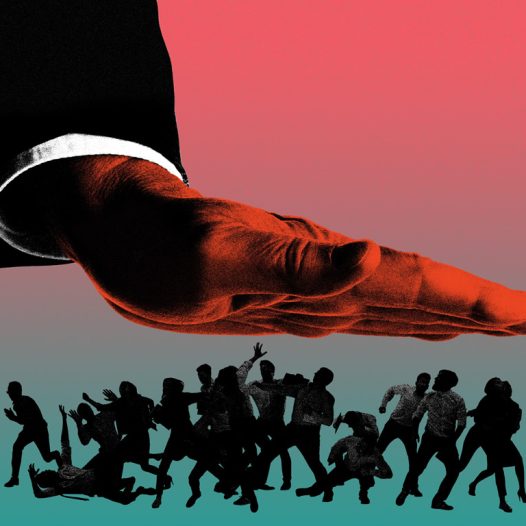
As of March 2026, the United States is fourteen months into the current administration’s second term. A number of observers argue that recent developments — from mass deportations and expanded detention to the politicization of federal agencies and attacks on gender-nonconforming communities — reflect patterns of rising authoritarianism.
In this episode, Stephen Pimpare, PhD, explores why social workers should see this moment as directly relevant to their work. Drawing on political analysis, professional ethics and historical context, he examines how the field of social work has responded to past and present threats to democratic institutions and vulnerable populations. The conversation considers whether the profession has acted with courage or, at times, complicity, and what it means to engage meaningfully in the current environment.
Pimpare also reflects on the ethical, educational and practice implications for social workers, emphasizing the profession’s responsibility to advance human rights, engage in policy practice and address systemic inequities. The discussion highlights how social workers may begin to navigate this moment, from understanding power and institutional constraints to identifying practical ways to contribute to collective action.

Stephen Pimpare, PhD, is professor of public policy and director of the Master in Public Policy program at Vermont Law and Graduate School. He is the author of four books, including A People’s History of Poverty in America, which received the Michael Harrington Award, and Politics for Social Workers: A Practical Guide to Effecting Change, which received the 2023 Best Book Award from the Society for Social Work and Research.
Show Notes
Cite this podcast – Sobota, P. (Host). (2026, March 24). Social Work Under Rising Authoritarianism (No. 346) [Audio podcast episode]. In inSocialWork. University at Buffalo School of Social Work.