

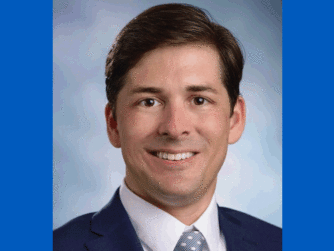
Sam Ames, JD, MTS
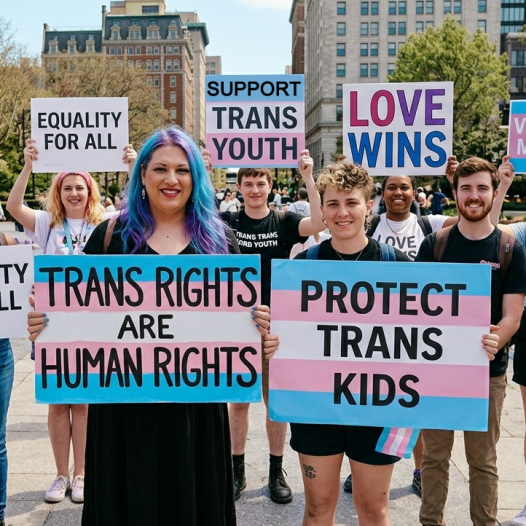
Transgender rights have moved from the periphery to the epicenter of American politics with a proliferation of state legislation particularly concerning healthcare, athletics and education. It is a moment of intense friction between social change and traditional social norms that often overlooks the lived experiences on the impacted individuals.
In this episode, Sam Ames explores why social workers should see this moment as directly relevant to their work. Drawing on legal and advocacy experience, Ames examines how transgender people, especially youth, have become focal points in political debates, often shaped by narratives that prioritize fear over data. The conversation considers how these dynamics influence policy, public understanding and the lived experiences of those most affected.
Ames also reflects on the real-world impact of this environment, including effects on mental health, safety and access to care. Emphasizing the role of social workers as trusted professionals, the discussion highlights the importance of informed, compassionate engagement and the meaningful difference even one supportive adult can make in a young person’s life.

Sam Ames, JD, MTS, is a civil rights attorney and policy strategist in the movement for LGBTQI+ rights. They previously served in the Biden-Harris administration in roles at the U.S. Department of Education Office for Civil Rights and the Substance Abuse and Mental Health Services Administration, and have held leadership positions with organizations including Trans Lifeline, Our Family Coalition and the Trevor Project.
Show Notes
Cite this podcast – Sobota, P. (Host). (2026, April 21). Why Transgender Rights Matter for Social Work (No. 347) [Audio podcast episode]. In inSocialWork. University at Buffalo School of Social Work.
Episode Image credit: Generated with Google Gemini.
Yes, transgender rights have shifted to the epicenter of U.S. public debate, but the current wave of legislation suggests something deeper than policy disagreement or even conventional marginalization. Even though it is framed as political, the way I see it, I think it is increasingly weaponized as a personal-political project, one that targets not only transgender people’s legal recognition but the legitimacy of their existence itself. This moment feels less like a neutral democratic contest and more like a vindictive struggle over who is permitted to belong and whose lives are deemed socially acceptable.
When the legality of transgender people’s healthcare, education, and bodily autonomy becomes a subject of public approval rather than assumed human rights, it exposes long standing anxieties embedded in American social norms. In this sense, the backlash is not new it reflects historical patterns in which marginalized bodies have repeatedly been positioned as threats during periods of social change. The past does not merely inform the present; it actively mirrors and reproduces itself through contemporary policies and moral panics.
The repeated claim that the United States is a “free society” circulates easily in public discourse, yet the current targeting of LGBTQ+ communities raises uncomfortable questions about the substance of that freedom. What we are witnessing is not an anomaly, but a reflection of who we have been, and, unless critically confronted, who we may continue to be. I think, the struggle over transgender rights ultimately reveals less about transgender people themselves and more about the values, fears, and power structures shaping society at this moment.