
Ingri-Hanne Brænne Bennwik, PhD
In this episode, Ingri-Hanne Brænne Bennwik, PhD, explores how the way we think about disability can shape the lives of young people who have left the care system. She challenges ideas that can unintentionally influence how social workers understand and support disabled people asking listeners to look beyond timelines and paperwork to the everyday lives people are trying to live.
Bennwik introduces the idea of “ruling constructions,” or the often-unnoticed assumptions that shape how we see people and decide what they need. She explains how these ideas can affect both social workers and clients, particularly when disability is viewed mainly through the lens of fixing, curing or rehabilitation.
Bennwik also challenges how we normally think about time. She introduces “crip time,” which questions the expectation that everyone should move through life at the same pace. Through the experiences of disabled care-leavers, she explores what happens when people do not fit into the timelines and expectations built into everyday systems.
Throughout the conversation, Bennwik returns to the importance of seeing the whole person and making space for people to live full lives on their own terms. She reminds us that disability is part of human experience and something that affects all of us.
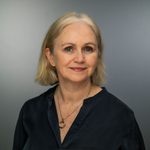
Ingri-Hanne Brænne Bennwik, PhD, is an associate professor of social work at VID Specialized University in Norway. Her research focuses on young people, particularly those with disabilities, who transition from care to adulthood. Drawing on her research and professional experience, Bennwik examines how policies, services and social work practices can better support young people with complex needs. She is also involved in international research networks and has published widely on disability, care-leaving, aftercare and social work practice.
Show Notes
Cite this podcast – Lee, J, & Sage, T. (Hosts). (2026, October 20). Thinking About Time Differently: How Care-Leavers with Disabilities Experience Time. (No. 353) [Audio podcast episode]. In inSocialWork. University at Buffalo School of Social Work.