

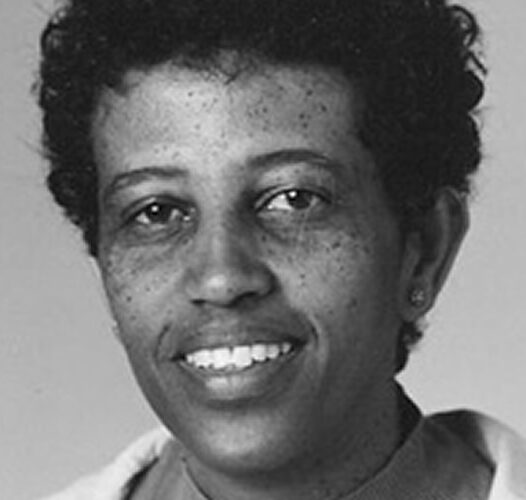
Aster Tecle
In this episode, Ms. Tecle discusses her current research on the experiences of immigrant youth participating in youth programs. She examines the complexities of identity formation among Horn of Africa immigrant youth and how those youth create place and space in a larger sociocultural structure that often labels difference as “misfitness.”
Interviewer: Laura Lewis, PhD, LCSW, ACSW



Wow!! Thank you for your research.
As a person who have come across many cultures in the NYC Shelter system, home was defined as the space where one lies their head down at night in a dry space where heat and a meal could be had. As a child, and staff member working with youth I always felt “home” is where mom and/or dad is. Working with youth of many cultures but in particular African youth, I wondered how did they feel about their transition to America knowing how our ancestors were initially transported over from Africa.
I learned some of the conditions in Africa were were just as bad as the slave trade and that the migration out of Africa was necessary. Some had to leave their parents behind and travel with relatives who claimed asylum. Home is about safety and the expression of one’s culture. The migration out of any country should mean the erasure of one’s culture and accessptance of another. They should be able to speak their natural language while learning the language of the country they are in.
I like how Aster addressed how parents or adults (whether they are extended family or friend) ensures that the children are aware of their heritage and let’s them know they are not “black.” None of us are, which is why the term “African-American” or “People of African Descent” is a phrase we try to educate people on since black history and now ancestry.com has now informed us of our lineage. “Black, Brown, and Red” is a color in the crayon box and can be insulting when referencing others. We all should learn how to appropriately identify people we are working with and rspect the language that comes with them.
This was such a powerful podcast episode, and I am so grateful that my professor Dr.Cormier assigned it! There were so many valuable insights in what Aster shared, and her research on identity formation really resonated with me. I especially appreciated her focus on language and her statement that language “always has a political significance.”
I found it particularly interesting how her research revealed that some youth were accepted while others were denied based, in part, on their use of language. As an Eritrean American myself, there were several parts of the conversation that resonated with me on a very personal level. It was meaningful to hear these experiences and perspectives discussed in a way that connected so deeply with my own bicultural experience.
Thank you for conducting this interview and creating space for such an important conversation. I look forward to continuing to learn more about bicultural experiences and identity throughout my education.